Designing Your Ideal Home: Key Tips for a Successful Remodeling Endeavor
Designing a perfect home is a detailed process that requires careful planning. It starts with a well-defined concept and clearly outlined goals. Property owners must evaluate their budget and timelines diligently. Choosing the right building materials is essential for both durability and aesthetics. Furthermore, hiring trustworthy contractors can significantly impact the outcome of the project. However, even the most thorough preparations can run into difficulties. Understanding how to address these obstacles is essential for attaining the expected goal.
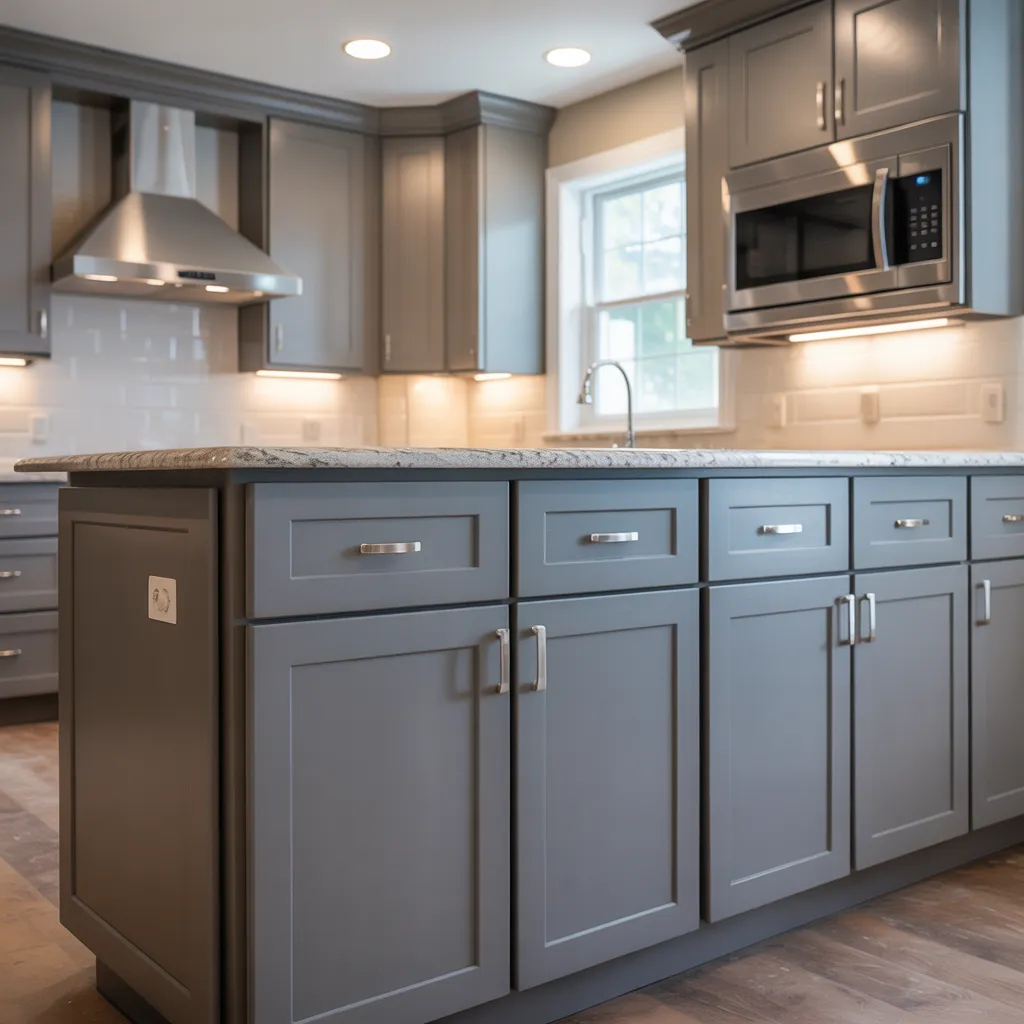
Establish Your Vision and Objectives for Your Remodel
Identifying a purpose and goals for a remodel is fundamental for guaranteeing success, as it sets the foundation for all future decisions. A clear vision allows homeowners to communicate what they are looking for from the remodeling project, whether it's improving functionality, refining the appearance, or boosting the home's value. Targets should be specific, measurable, achievable, relevant, and time-bound (SMART), allowing for a structured approach to the remodeling process.
Homeowners ought to evaluate their lifestyle needs and preferences, as well as the architectural style of the home. Engaging in brainstorming sessions, collecting inspiration from interior design magazines and websites, and talking through concepts with family members can help refine this vision. Emphasizing factors including space management, energy performance, and sustainable choices can also shape the renovation objectives. Ultimately, a well-defined vision guides the choice of materials, floor plans, and decorative features, resulting in a harmonious and fulfilling outcome.
Establish a Practical Budget for Your Remodeling Project
Creating a practical spending plan is essential for any remodeling undertaking. This begins with a thorough evaluation of your financial position, ensuring that money are sufficient to support planned changes. Ranking important renovations helps distribute resources wisely, aligning plans with budgetary constraints.
Assess Your Financial Situation
When embarking on the journey of transforming a home through remodeling, it is important to review one's financial circumstances to confirm a practical budget is established. This process involves reviewing existing income, savings, and potential financing solutions. Homeowners should consider possible unforeseen expenses that may occur during the renovation journey, ensuring a buffer is included in the budget. Reviewing bids from contractors can offer better insight into projected expenditures. Moreover, differentiating between necessities and desires will support informed decisions about what can be realistically achieved within the budget limitations. By carefully examining these considerations, residents can create a budget that matches their goals while sustaining monetary health throughout the remodeling journey.
Prioritize Key Renovations
As homeowners begin the journey of remodeling their dream home, prioritizing key visit this page renovations becomes essential for creating a practical budget. Pinpointing which sections demand prompt focus helps allocate resources effectively. As an example, prioritizing structural fixes or vital systems including plumbing and electrical guarantees safety and functionality. Furthermore, homeowners should consider aesthetic upgrades that enhance value, such as kitchen and bathroom renovations.
Establishing a priority list allows for well-informed decisions, guarding against wasting money on inessential additions. By analyzing the likely return on investment for each renovation, property owners can make smart decisions that align with their vision while remaining financially responsible. At the end of the day, a thorough priority list creates the basis for an effective and financially mindful remodeling project.
Picking Sturdy and Attractive Materials for Your Remodeling Project
How can one balance durability with aesthetic appeal when picking materials for a remodeling project? This task demands thoughtful attention to both functionality and design. High-quality materials, such as porcelain tiles and quartz countertops, offer robust performance while enhancing visual appeal. In terms of flooring, hardwood or engineered wood offers enduring quality and refined style, making them widely favored alternatives.
Furthermore, utilizing sustainable materials, for example recycled glass or bamboo, can improve the overall look while encouraging sustainability. Color and texture are also critical factors; picking finishes that enhance the broader design theme can produce a harmonious visual effect without sacrificing strength.
Additionally, considering the unique needs of every space is important. To illustrate, moisture-proof materials are needed in kitchens and bathrooms, while living areas may emphasize warmth and comfort. In the end, a well-considered balance of resilient and aesthetically pleasing materials guarantees a renovation that withstands the passage of time and highlights personal preferences.
How to Choose Trusted Contractors
Finding reputable contractors is vital for a smooth home project. Homeowners should conduct thorough research on prospective contractors, ensuring they confirm all required certifications and licenses. Additionally, reviewing prior work experience can offer meaningful information into the contractor's trustworthiness and caliber of work.
Research Potential Contractors
When embarking on the journey to create a ideal home, choosing the right contractor is a critical step that can considerably impact the outcome of the project. Finding the right contractors involves a number of important approaches. Initially, homeowners should seek recommendations from friends, relatives, or digital reviews to build a list of potential candidates. Next, viewing finished projects can reveal details about a contractor's craftsmanship and work ethic. It is also helpful to arrange interviews, asking about past experience, deadlines, and preferred communication methods. Additionally, gathering several estimates allows for a greater insight into market rates and available services. By thoroughly researching potential contractors, homeowners can be confident they hire a professional who matches their goals and can deliver quality results.
Validate Credentials And Licenses
After narrowing down potential contractors, verifying their credentials and licenses is an essential next step in ensuring a trustworthy partnership. Homeowners ought to confirm that every contractor possesses the necessary state and local licenses required for their specific trade. These credentials frequently demonstrate a foundational level of expertise and alignment with industry requirements. Moreover, validating proper insurance coverage is equally important; contractors should carry liability insurance to protect against damages and workers' compensation to safeguard against injuries on the job. Homeowners can also consult local regulatory boards or online databases to confirm the validity of these credentials. The reputation of a contractor may be further examined through testimonials and ratings, highlighting the value of diligent screening before committing to a final choice.
Explore Past Project History
A detailed assessment of a contractor's previous work history can significantly impact a homeowner's decision-making process. Examining finished work allows homeowners to gauge the standards, methods, and breadth of a contractor's work. This assessment may involve touring former work locations, examining photographs, and considering past client reviews. Homeowners should request information on relevant work aligned with their goals and request referrals to better understand the contractor's reliability and professionalism. A track record of producing excellent outcomes is fundamental, as it demonstrates the contractor's capacity to fulfill commitments. Moreover, understanding the timeline and budget adherence of past projects can offer meaningful guidance for upcoming partnerships. By diligently evaluating prior assignments, homeowners can reach well-considered decisions when choosing reliable professionals.
Building a Project Timeline: Important Steps
Developing a well-defined project timeline is vital for anyone embarking on the journey of constructing their perfect home. A thoughtfully designed timeline helps make certain that all phases of the renovation process are executed smoothly. First and foremost, homeowners should clarify their project intentions and create a budget. This serves as the basis for a practical timeline.
Next, one should break down the initiative into separate phases, such as permitting, design, and construction, allocating anticipated time periods to every segment. It is crucial to communicate with relevant contractors to integrate their insights, as they often deliver knowledge about possible setbacks and resource availability.
Defining checkpoints across the project timeline facilitates progress evaluation and schedule modifications as required. Furthermore, homeowners should account for possible overlaps between phases to maximize efficiency. By implementing these important measures, individuals can create a thorough timeline that guides them toward a successful remodeling experience.
Navigating Common Remodeling Difficulties
Numerous homeowners face challenges throughout the renovation process, that can negatively impact schedules and finances. Typical challenges encompass unforeseen structural complications, supply chain delays, and poor communication with contractors. These challenges can lead to frustration and increased costs.
To mitigate these setbacks, homeowners should emphasize detailed preparation. Conducting a detailed inspection before the project begins can reveal underlying concerns ahead of time. Maintaining open communication with contractors is also essential; frequent progress reviews can help address concerns promptly.
Being flexible is crucial when handling delays. Property owners should factor in extra time within their timelines to account for unexpected situations. Additionally, having a financial buffer can ease financial strain when unexpected expenses arise.
Tips for Making Your Remodel Eco-Friendly
Challenges encountered during renovation frequently lead homeowners to rethink their strategy, including how to integrate eco-friendly practices. Through the use of sustainable materials, homeowners are able to considerably diminish their renovation's impact on the environment. This involves incorporating reclaimed wood, bamboo, or recycled metal, which not only minimizes waste but also enhances the home's unique appeal.
Energy-efficient appliances and fixtures are essential; choosing ENERGY STAR-rated products can reduce utility costs and carbon footprints. Introducing natural illumination through thoughtfully situated windows or skylights boosts energy efficiency while fostering a more appealing ambiance.
Reducing water usage may be accomplished by fitting low-flow faucets and water-efficient toilets. Furthermore, incorporating adequate insulation and energy-efficient windows will enhance general comfort and energy performance.
In conclusion, working with contractors specializing in sustainable practices confirms that eco-friendly methods are integrated seamlessly throughout the remodeling endeavor. This holistic approach not only supports the environment but also fosters a cleaner living home.
Frequently Asked Questions
How Do I Prioritize Which Areas to Remodel First?
To prioritize remodeling areas, it is essential to evaluate functionality, safety, and budget. Essential rooms including kitchens and bathrooms frequently provide the greatest investment returns. It is also important to assess personal lifestyle needs and potential impact on overall home value.
What Permits Do I Need for My Remodeling Project?
When undertaking a remodeling project, essential permits usually encompass electrical, plumbing, building, and zoning permits. As local rules and regulations can vary, reaching out to the local building department confirms adherence to regulations and reduces the risk of legal issues during the construction process.
How Can I Ensure My Remodel Increases Home Value?
To guarantee a renovation boosts home value, one should prioritize high-demand renovations like kitchen and bathroom renovations, enhance curb appeal, select premium materials, and explore eco-friendly upgrades that appeal to prospective buyers.
What Happens if I Change My Mind During the Process?
If second thoughts emerge in the course of remodeling, the individual should communicate promptly with contractors, assess implications on costs and schedule, and evaluate whether adjustments align with the broader objectives prior to making modifications.
How Can I Keep Stress Under Control During My Home Remodeling Project?
To reduce anxiety during a home remodeling project, homeowners should maintain open communication with contractors, define reasonable expectations from the start, create a well-defined project timeline, give yourself time to decompress as needed, and focus on the end vision to alleviate anxiety.